


Dabs Mushroom Liquid Culture
Pleurotus eryngii var. elaeoselini
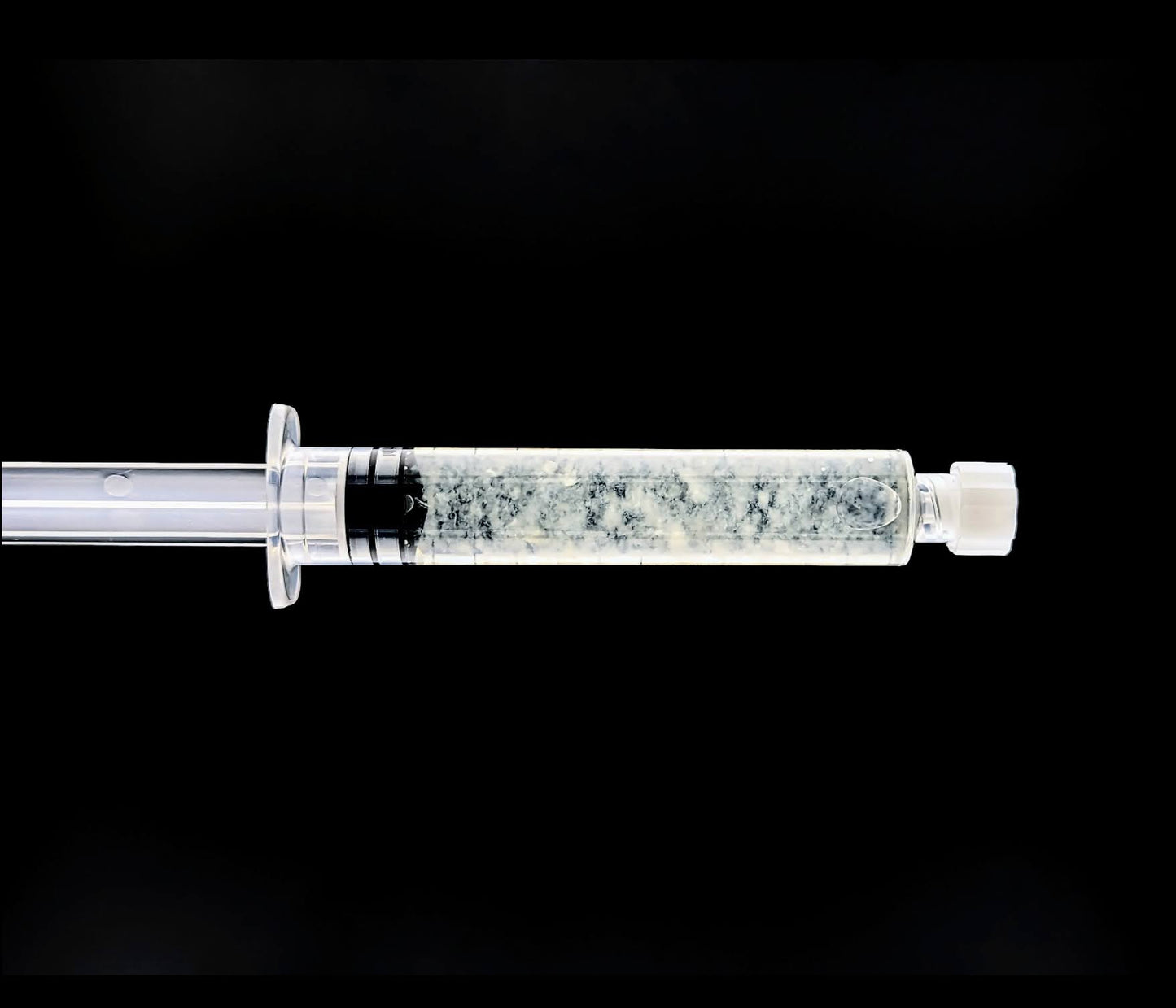
10 cc/mL liquid culture
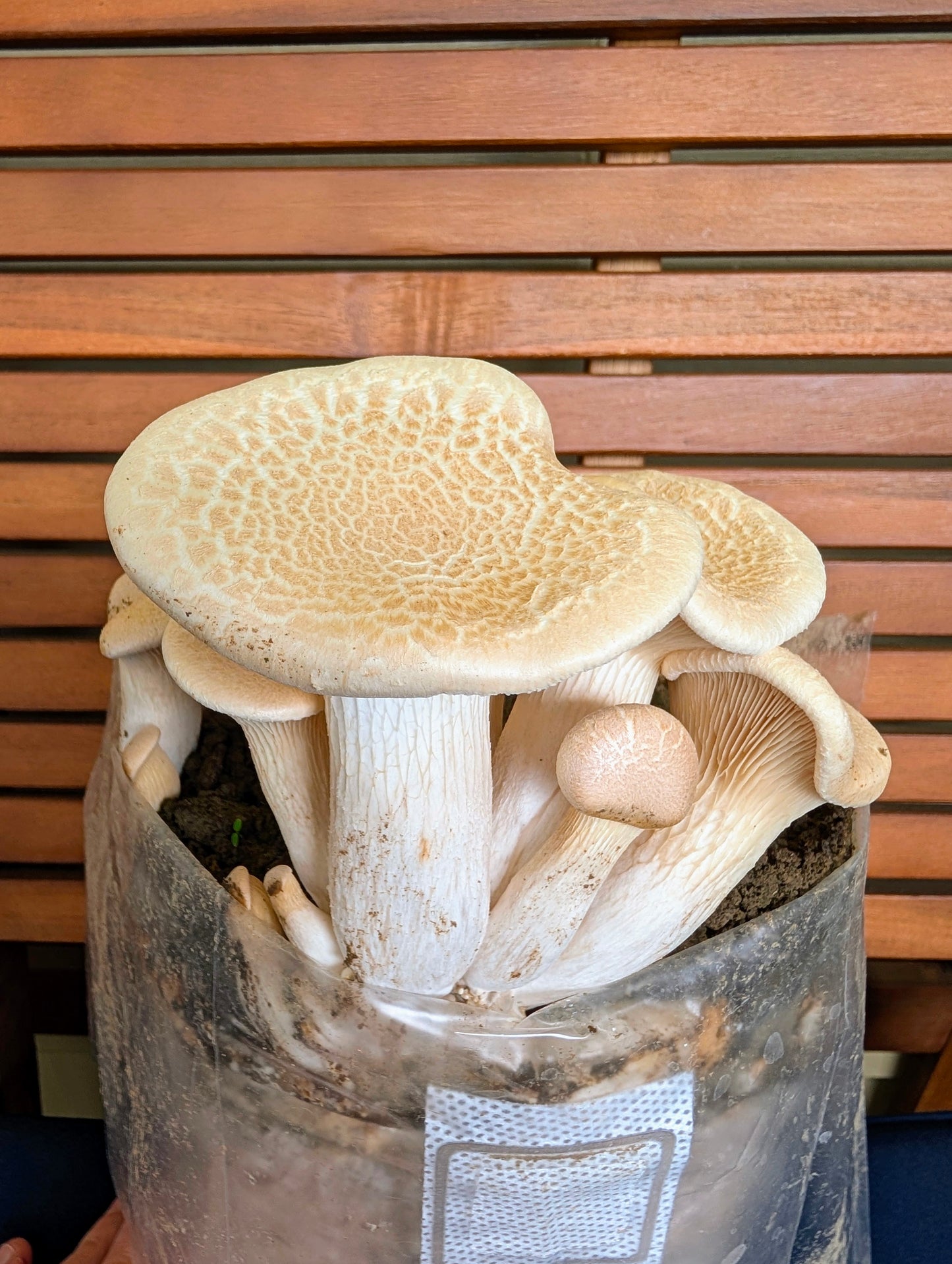
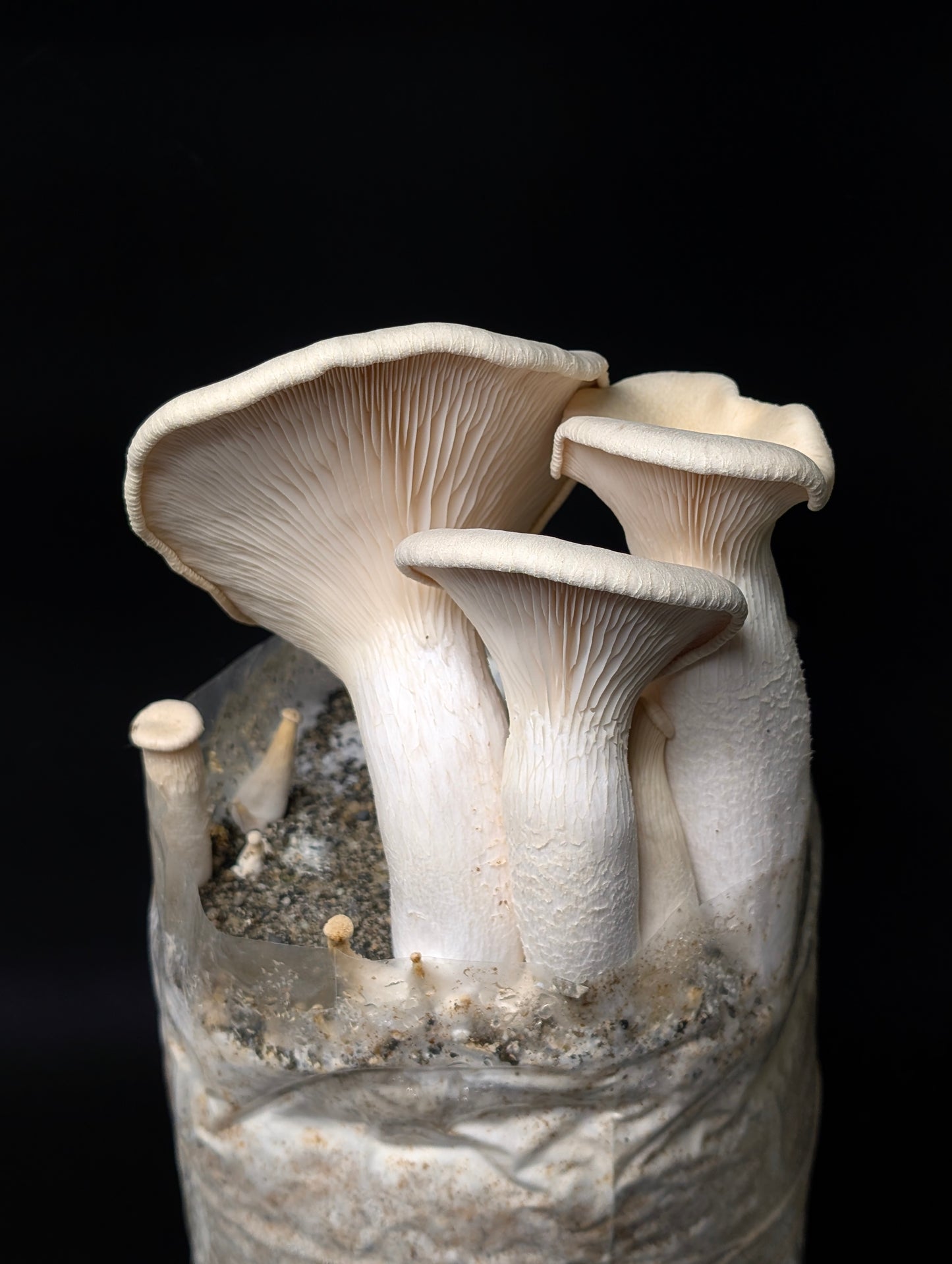
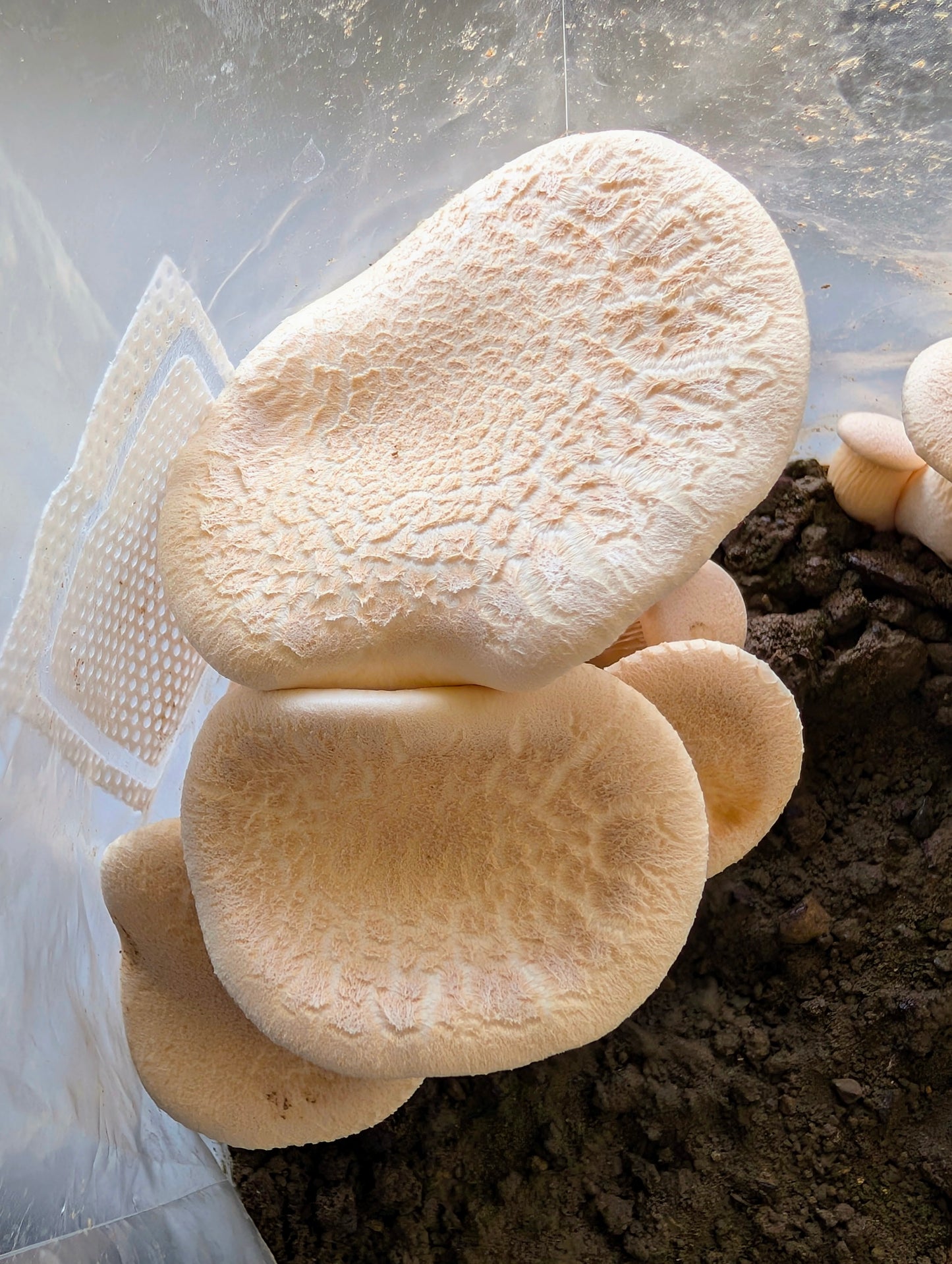
Among the many remarkable varieties of King Oyster found throughout the Mediterranean, Dabs Mushroom stands out for its unusual natural history, distinctive identity, and fascinating relationship with wild Mediterranean plants. Native to Sicily, Italy, this uncommon variety represents a particularly interesting member of the Pleurotus eryngii complex, with a history connecting local Sicilian traditions, botanical associations, and modern fungal taxonomy.
Dabs Mushroom was formally introduced to science in 2000 by Italian mycologist Giuseppe Venturella and collaborators Georgios Zervakis and Salvatore La Rocca. Its discovery followed field investigations in Sicily beginning in 1995, when researchers encountered unusual King Oyster populations locally known as "dabs" or "dabbisu." The mushrooms were growing in association with the underground roots of Elaeoselinum asclepium subsp. asclepium, a wild Mediterranean member of the carrot family, Apiaceae. Interestingly, the mushroom's name originates from the local Sicilian name for its associated plant. Combined with the regional word "funciu," meaning mushroom, this gave rise to the traditional name "Funcia di Dabs."
Dabs Mushroom is also highly regarded for its culinary qualities, particularly in its native Sicily, where it has a longstanding reputation as an excellent edible mushroom. Its substantial yet remarkably tender flesh and delicious flavor make it an appealing alternative to more familiar King Oyster varieties. It can be grilled, sautéed, pan-fried, roasted, or baked, and works beautifully in soups, pasta dishes, risottos, and vegetable preparations. Traditional Sicilian preparations include roasting and oven cooking, while dried specimens can be preserved for later use. It is also well suited to preservation in oil and vinegar.
What makes Dabs Mushroom particularly interesting is that it represents more than simply another variety of King Oyster. Its documented history, unusual botanical associations, Mediterranean origins, and established place in Sicilian food traditions make it a fascinating addition to a collection of living fungal cultures. For collectors interested in the diversity of the Pleurotus eryngii complex, this is an opportunity to work with a distinctive variety that remains far less familiar than commercially available King Oyster mushrooms.
- Choosing a selection results in a full page refresh.
- Opens in a new window.